
Engagement Isn’t What You Think It Is Anymore
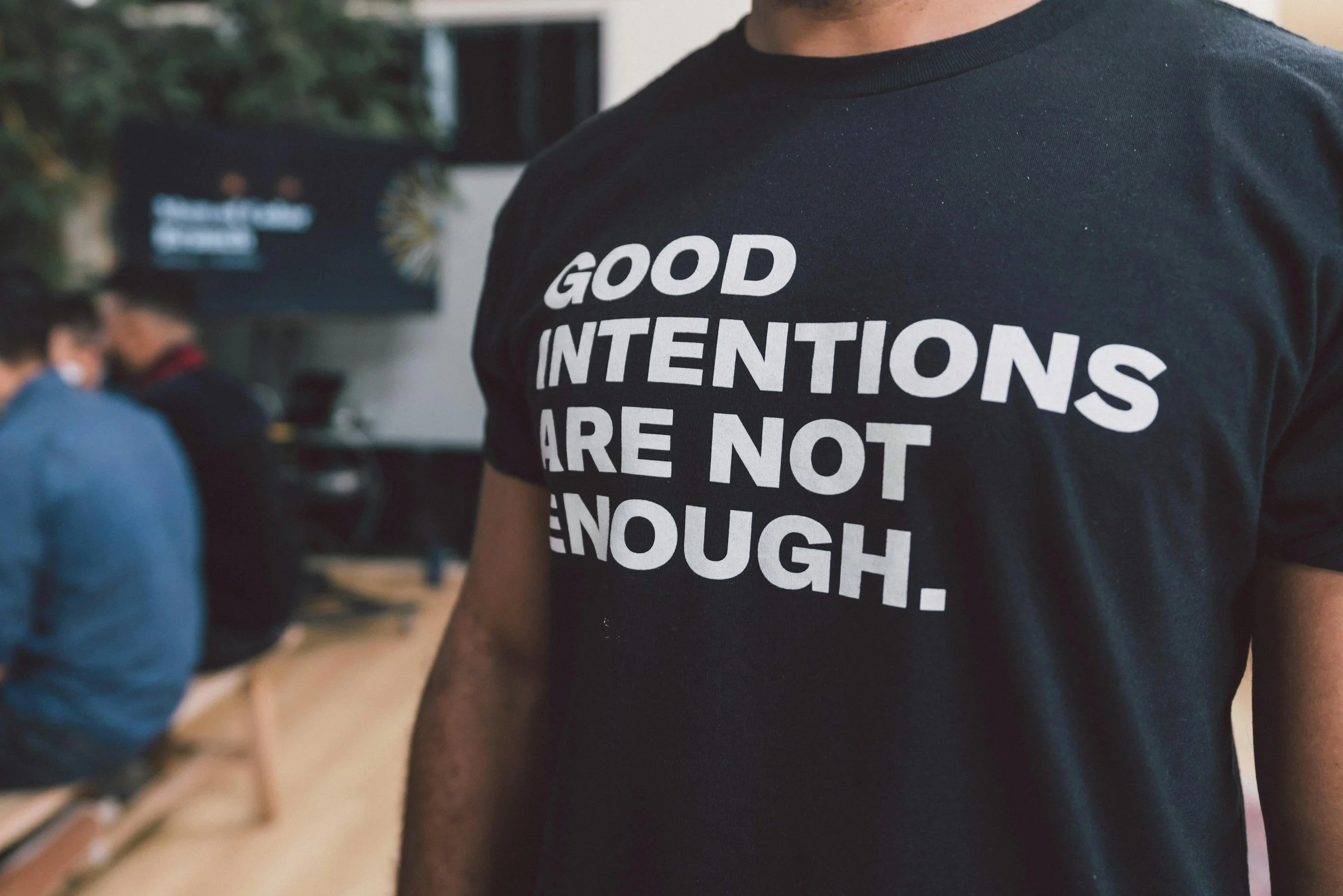
Has “engagement” simply become a buzzword? Have we said it so often that its power has been lost?
Sometimes I think leaders and learning professionals have become inured to engagement’s true character because we’ve overused the word until it has shrunk to mere jargon. And when a word becomes jargon, leaders stop listening.
What does engagement really mean in 2026?
It’s a question at the heart of a fascinating meta‑study by Perceptyx, an AI‑powered workforce analytics company that evaluated global employee survey results over 10 years. This study, reported by The Business Journals, has turned our understanding of engagement on its head. I’m always excited when something this thought‑provoking shows up, especially when it’s backed by an unusually high number of participant responses: more than 20 million in this case. That is not to be sneezed at.
For the first nine years, the results were predictable: from 2016–2024, belonging and feeling valued were consistently the first and second engagement drivers. And then in 2025, those responses dropped to the bottom (fourth and fifth, respectively)—a drastic shift.
What’s the new top engagement driver?
“Change is handled effectively in my company.” And the number two spot is now “Confidence in senior leadership.”
That’s a major reordering. It doesn’t mean employees don’t care about belonging and feeling valued anymore. Of course they do. It means we’ve failed them over the past decade. They’re tired of lip service to emotional connection. They want consistent, clear, and trustworthy behaviors that prove leaders are walking their talk. Chronic job uncertainty kills motivation. And empty reassurances deplete trust.
At EPI, we’ve always been fond of Dan Pink and his work on intrinsic vs. extrinsic motivation. Since the publication of his book Drive, too many leaders have tried to use his insight into the importance of intrinsic motivation as a shortcut—as if it replaces the necessity of meeting foundational needs. In recent years, he’s clarified the nuances: hire great people, pay them fairly, and give them a chance to get better at what they do through incremental progress.
The Perceptyx study and The Business Journals article both highlight a survival mindset. People are worried about job stability, inflation, and having enough money to live on without having a panic attack at the grocery store. In turbulent social and economic times, engagement relies on verifiable progress.
“When employees see a clear connection between their effort and organizational success, motivation follows even in difficult conditions. But when that connection is unclear, employees pull back and focus on short-term security.”
(Cindy Barth – Contributing Writer, The Business Journals, Jan 21, 2026)
A question to carry into the week
In EPI’s Leadership to Live By™ program, we emphasize “habitual dependability.” That quality encompasses consistency, clarity, trustworthiness, and incremental progress. And it’s a good way to move beyond buzzwords and cultivate meaningful engagement.
If you want meaningful engagement in 2026, start by becoming relentlessly dependable in how you lead change and inspire confidence.
Ask yourself: “How do I show up, day after day, for my people?”
Make sure you answer honestly… and then follow through like you mean it.